
婉君(全文在线阅读)>
婉君Zero-tariff policies, systemic support help African countries expand exports, upgrade industry_我的网站
A | 北京时间8月20日,男篮世预赛第四窗口期,中国男篮主场迎战黎巴嫩的球票价格正式出炉,VIP最高为1880元,最低为180元。 具体档次如下: 180/380/580/880/1280/1680/1880 不过这个球票价格,整体来说比CBA门票稍微贵一点,引发了不少球迷的吐槽,特别是在北京,沈阳两个主场,尽管吸引了大量的球迷购票抵达现场观赛,但连续不敌韩国,日本两支亚洲球队,在网络上引起了巨大的争议。 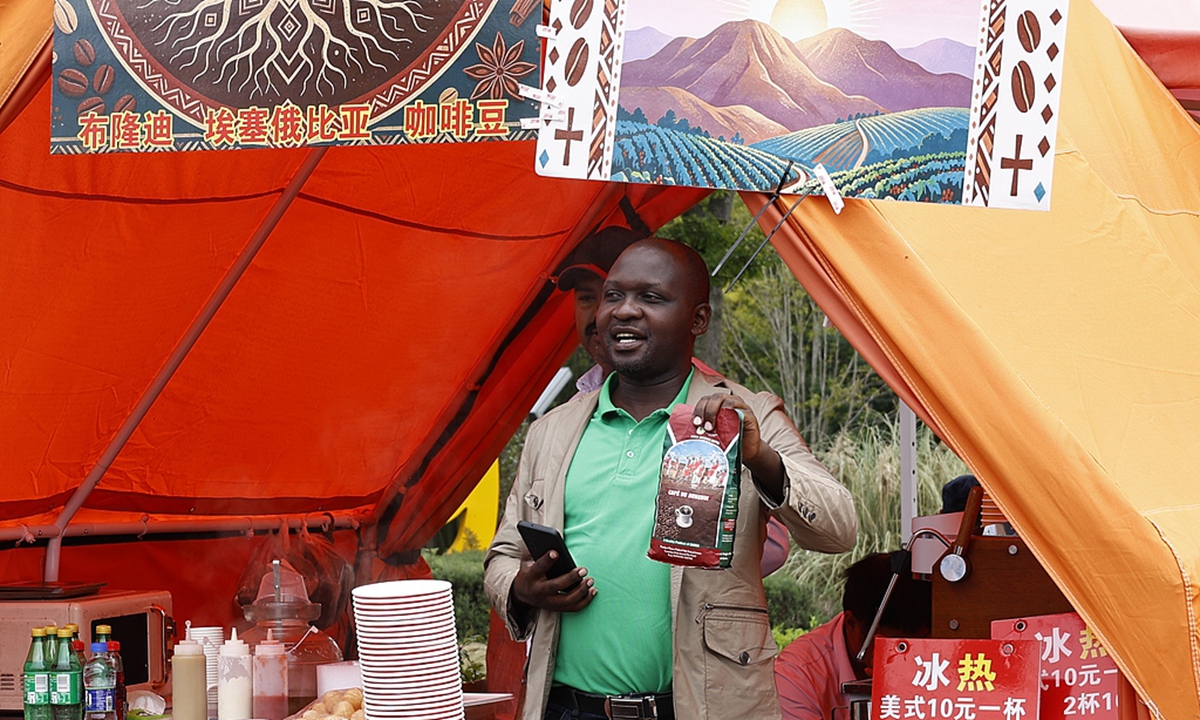  For Ethiopia, which is believed to be the birthplace of coffee, this initiative presents significant opportunities. "Coffee is not only our leading agricultural export but also an integral part of our cultural heritage. For centuries, Ethiopians have preserved a unique coffee tradition, where families and neighbors gather to prepare and share coffee in a ceremony that symbolizes hospitality and friendship in community," Geleta said. With improved market access, Ethiopian coffee exports to China are expected to grow substantially. China has become one of the world's fastest-growing coffee consumption markets and is now Ethiopia's third-largest coffee export destination, Geleta noted. In 2025, China's coffee industry was valued at 354.9 billion yuan ($52.63 billion), up 13.3 percent year on year. Annual per capita consumption rose from 22.24 cups to 28.57 cups, while the value of coffee bean imports increased by 73.9 percent year on year, according to the 2026 China Urban Coffee Development Report released in July. The Ethiopian diplomat believes China's zero-tariff policy will enhance the competitiveness of Ethiopian coffee, increase export earnings, and encourage greater investment across the coffee value chain, including processing, packaging, branding, logistics and quality certification. Since July 20 this year, China has granted full market access to coffee beans meeting quarantine requirements from all African countries that have diplomatic ties with China. The full market access is regarded as a landmark achievement in China-Africa cooperation on agricultural market access. Geleta said that Ethiopia warmly welcomes this landmark policy. Having joined China's zero-tariff arrangement in 2024, the East African country has already witnessed its positive impact on bilateral trade and economic cooperation. "The policy goes beyond tariff preferences. It demonstrates a practical commitment to South-South cooperation based on mutual respect, shared development and win-win partnership," Geleta noted. It creates new opportunities for African countries to diversify exports, strengthen productive capacity and participate more actively in global value chains, the diplomat said. As members of the Global South, Ethiopia and China share a common vision of promoting inclusive and sustainable development. This zero-tariff initiative establishes a valuable benchmark for building agricultural trade rules that better reflect the development needs of emerging economies, she noted. It also complements the objectives of the FOCAC and the African Continental Free Trade Area (AfCFTA) by supporting greater regional integration and international market access, said Geleta. AfCFTA is a flagship initiative of the African Union designed to transform the continent into the world's largest free-trade area, per the AU. From Geleta's observation, the market access granted by China is not merely a trade policy, but also a practical example of development cooperation that benefits ordinary people. Coffee farming sustains millions of Ethiopian households, so greater access to China's market bears direct significance for poverty alleviation, rural advancement and national economic transformation. The policies foster steady demand for Ethiopian coffee, increasing farmer's earnings and bolstering rural community resilience, she said. Such gains closely echo the China-proposed Global Development Initiative, which emphasizes poverty reduction, food security, inclusive growth and sustainable development. The diplomat said Ethiopia welcomes Chinese investment in agricultural processing, cold-chain logistics, food manufacturing and value-added industries in Ethiopia. Such investment will support industrialization, technology transfer and job creation while strengthening resilient supply chains, Geleta added. 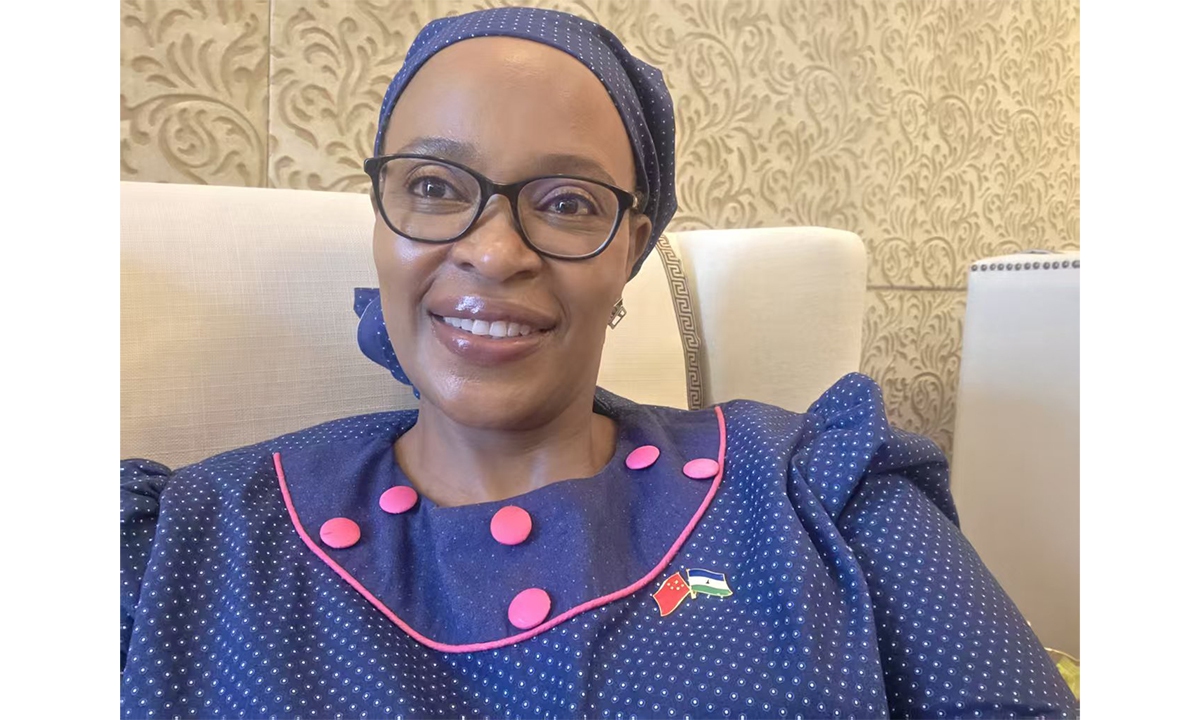 Mile said the policy provides a structured, phased approach to reducing trade difficulties and securing institutional guarantees. "It perfectly embodies the strong, historical foundations built through FOCAC over the years to forge a modernized, forward-looking economic future." Amid comments saying that African countries still face challenges beyond tariffs, including logistics, standards and market-access capacity, Ambassador Mile of Lesotho said that tariff reduction is a necessary condition for trade expansion; however, more conditions are required to reach deals. Take Lesotho, a landlocked country, for instance. The country faces acute logistical hurdles and high transport costs. Complying with sanitary and phytosanitary measures, as well as quality standards remains a massive challenge for many enterprises in Lesotho. To fully benefit from the favorable tariff policy, Mile pointed to systemic technical support for African exporters, targeted investments in agro-processing, and enhanced trade facilitation. "Initiatives recently introduced by China Customs, such as the 'Green Channel 2.0' for agricultural products and expanding authorized economic operator mutual recognition capacity building, are exactly the types of institutional support needed to overcome the non-tariff barriers," she elaborated. 。 对于郭士强指导而言,目前的阵容并不是最强战力,主场迎战黎巴嫩需要做好多方面迎接困难的准备。 所以,接下来中国男篮在第四窗口期主场对阵黎巴嫩的比赛,某种程度上是绝对不容有失,尤其是对手并不是派出了全主力阵容出战。 根据最新的媒体报道,黎巴嫩男篮公布第四窗口期世预赛12人名单,球队的当家核心阿拉基因伤缺席,新疆男篮外援劳森无缘归化名额,新归化球员芬德伯克入选。 中国男篮目前集训球员: 后卫:赵继伟、胡明轩、贺希宁、程帅澎、廖三宁、庞峥麟、李悦洲、偰李永炜 锋线:李弘权、朱俊龙、崔永熙、赵嘉义、王俊杰、蒋浩然、杨曦皓 内线:胡金秋、焦泊乔、杨瀚森 第四窗口期时间: 8月27日 卡塔尔vs中国(客场) 8月31日 中国vs黎巴嫩(主场)。 Current article:http://84ogi.xiaqingzhuangdaminnan.cyou/news/20260826_9225.html Published on:18:49:12 |
